

陆嘉德常务副院长受邀参加 Mayo Clinic Platform 年度重要会议 PlatforMed 2026


Professor Jiade Lu Attends PlatforMed 2026, Mayo Clinic Platform’s Annual Flagship Conference, Exploring Hospital Platform Capabilities in the Age of Medical AI
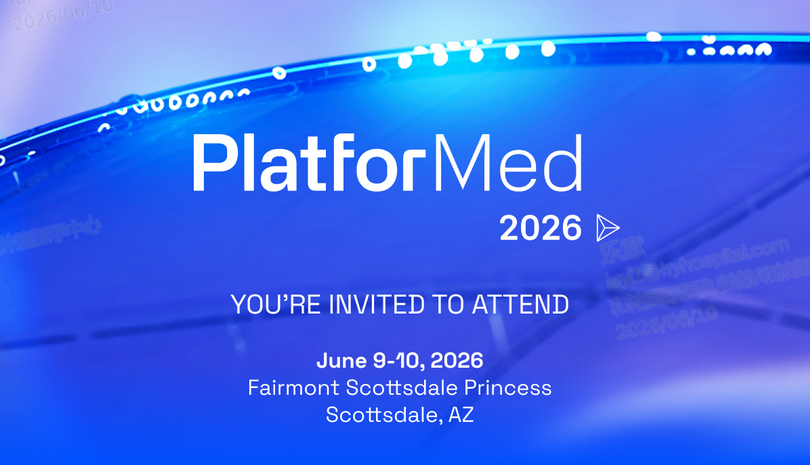
2026年6月9日至10日,由 Mayo Clinic Platform 主办的 PlatforMed 2026 在美国亚利桑那州 Scottsdale 举行。本届会议以 “From Pilots to Power: Operating Healthcare as a Platform in the Age of Agentic AI” 为主题,聚焦医疗机构如何在 AI 时代从单点技术试点,走向可规模化、可治理、可持续产生临床价值的平台化运营模式。
From June 9 to 10, 2026, PlatforMed 2026, hosted by Mayo Clinic Platform, was held in Scottsdale, Arizona, under the theme “From Pilots to Power: Operating Healthcare as a Platform in the Age of Agentic AI.” The conference brought together senior leaders from Mayo Clinic and Mayo Clinic Platform, former UK cabinet-level leadership, and influential experts and industry leaders from global institutions including Google, Microsoft, Oracle Health and UCSF, focusing on platform-based healthcare, agentic AI, data governance, clinical workflow redesign and real-world clinical value creation.
作为 Mayo Clinic Platform 面向全球医疗创新生态的重要会议,PlatforMed 2026 汇聚了英国前内阁大臣、Mayo Clinic 最高管理层、Mayo Clinic Platform 负责人,以及来自 Google、Microsoft、Oracle Health、UCSF 等全球领先机构,并在医疗 AI、数字健康与医疗创新领域具有高度行业影响力和决策话语权的重量级嘉宾。和祐医院常务副院长,和祐肿瘤医学中心与质子重离子中心主任陆嘉德教授受邀参会,并作为 Mayo Clinic Platform 国际圆桌论坛领衔专家(Key Opinion Leader)之一参与现场专题小组讨论,与 Mayo Clinic、Microsoft、Google、Oracle 等机构的行业领袖共同探讨平台化医疗与人工智能驱动的未来医疗生态,围绕平台化医疗、agentic AI、数据治理、临床工作流重塑与真实世界临床价值转化等前沿议题展开深入交流。
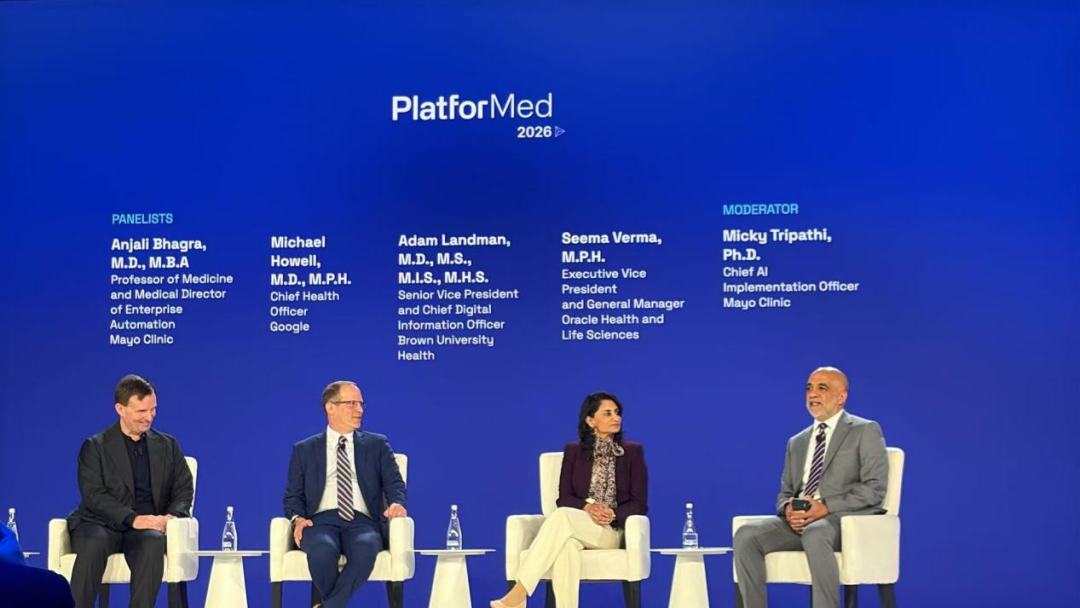
Professor Jiade Lu, Executive Vice President of Heyou Internatioal Health System and Director of Heyou Cancer Center and Proton and Heavy Ion Center, was invited to attend the conference and participated as one of the Key Opinion Leaders in an international roundtable discussion hosted by Mayo Clinic Platform. Together with leaders from Mayo Clinic, Microsoft, Google, Oracle and other global organizations, Professor Lu shared insights on the future healthcare ecosystem driven by platform thinking and artificial intelligence.
从设备堆砌到体系深耕:
医疗竞争力的价值跃迁
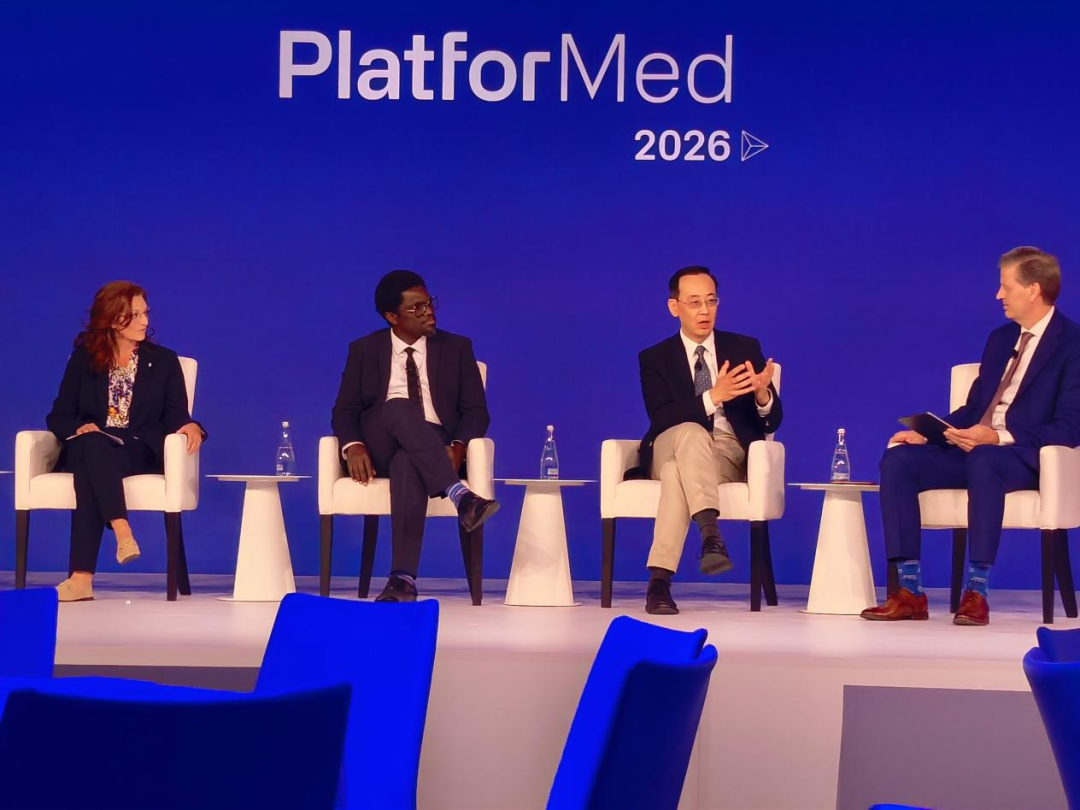
在专题小组讨论中,主持人抛出核心议题:在先进技术全球普及浪潮下,高水平医疗中心该如何构建能切实被患者感知的核心竞争力?
陆嘉德教授对此作出深度解读。当前直线加速器、手术机器人、质子治疗、分子诊断、AI 工具与数字化平台等前沿技术持续普及,硬件层面的差距正在不断收窄。区分顶尖医疗机构层级的关键,早已不再是技术设备的有无,而是能否将各类技术融合重构,搭建起体系完整、运行可靠、以患者为中心的标准化临床路径。
以肿瘤诊疗为例,患者对优质医疗的感知具象清晰:
一是诊疗时效,快速完成疑似筛查、确诊分期、分子检测至多学科方案制定全流程;二是方案统一,外科、肿瘤内科、放疗、影像、病理及配套支持团队协同出具一体化诊疗意见,免去患者多头辗转;三是施治精准,依据个体病情合理选用手术、系统治疗、免疫治疗、质子重离子治疗、SBRT 或临床试验等适配方案;四是质量稳定,不受病种、诊疗团队、个体差异影响,持续稳定输出同质化高水平诊疗决策与治疗服务。
陆嘉德教授点明本质:患者不会单纯为高端设备远道就医,其真正渴求的是就医信心。医疗机构依托体系统筹复杂病情、管控诊疗中的不确定性,交付一套清晰严谨、可落地执行的完整诊疗方案,才是患者的核心诉求。
面向未来,具备持久吸引力的一流肿瘤中心,不能止步于硬件配置领先,更要锻造综合系统实力:搭建整合型多学科临床路径、科学运用前沿技术、公开医疗质量与临床疗效数据,把复杂的疾病诊疗过程变得更加清晰、高效和可信赖。
During the discussion, Professor Lu emphasized that the future competitiveness of leading medical centers will no longer depend solely on whether they possess advanced equipment or technologies. As linear accelerators, surgical robots, proton therapy, molecular diagnostics, AI tools and digital platforms become increasingly accessible worldwide, the real differentiator lies in whether a medical institution can integrate these technologies into standardized, patient-centered clinical pathways.
Using cancer care as an example, Professor Lu noted that patients do not travel long distances simply for advanced devices. What they truly seek is confidence: timely diagnosis, coordinated multidisciplinary decision-making, precise treatment selection, reliable quality and a clear, executable care plan. A top-tier cancer center must therefore go beyond hardware investment and build integrated system capabilities, including multidisciplinary clinical pathways, appropriate use of advanced technologies, transparent quality data and measurable clinical outcomes.
资产不等于能力:
平台型医院的可持续发展内核
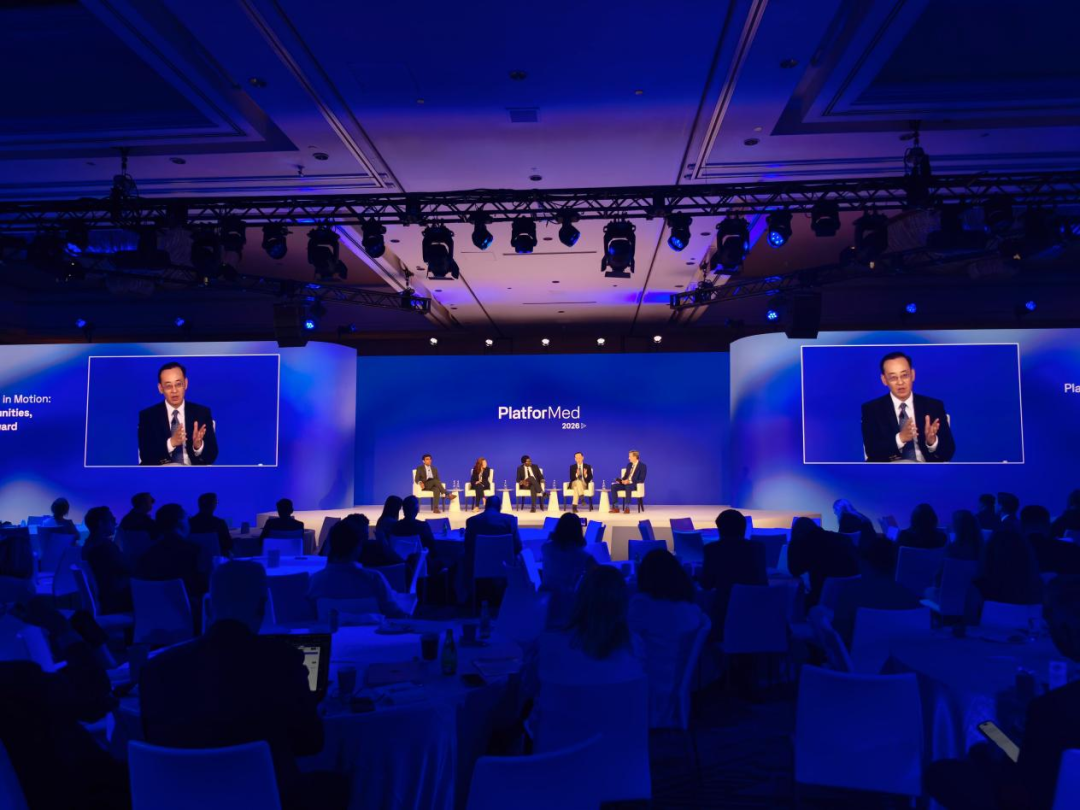
面对全球医疗机构持续加大技术设备与基础设施投入的趋势,主持人进一步提问:如何区分真正成熟的平台型医疗组织,与只是不断堆砌技术和设备的机构?
陆嘉德教授指出,关键差异在于医院如何理解技术:是把技术看作一次性购入的资产,还是看作需要长期运营、持续迭代的核心能力。许多医院都在引进高端影像设备、电子病历系统、AI 工具、手术机器人、质子治疗中心等先进技术。但如果这些技术各自独立,停留在不同科室和系统的孤岛中,无法与临床流程真正融合,医院并不会因此变得更成熟,反而可能让诊疗体系更加复杂、割裂。
在陆嘉德教授看来,成熟的平台型医疗机构,至少需要具备五项能力:
一是临床治理能力。医院要明确谁负责临床路径,谁对患者结局负责,谁有权推动流程优化。没有清晰的临床治理,再先进的技术也只是零散工具。
二是数据规范能力。病理、影像、基因组学、治疗方案、不良反应、生存数据和患者反馈等信息,需要被结构化、标准化并有效连接。否则,AI 不仅难以产生真正价值,还可能放大低质量数据带来的混乱。
三是流程重塑能力。医疗转型不是把新技术简单叠加到旧流程上,而是要重新设计诊疗工作流,让技术真正减少摩擦、缩短决策时间、提升安全性,并减轻一线医护负担。
四是团队适配能力。医生、护士、物理师、剂量师、信息团队、管理人员和患者服务团队,都需要理解新的运营模式。相比硬件投入,团队培训、认知更新和文化建设往往更为关键。
五是结果评估能力。技术是否真正改善了就医可及性、诊疗速度、医疗质量、安全水平、成本控制和患者体验,必须被持续衡量。不能带来实际改善的技术投入,不能称为真正的平台成熟。
陆嘉德教授总结,未来能够持续领先的医疗机构,不是单纯拥有更多设备的机构,而是能够把技术、治理、数据、临床责任、流程再造和结果评价整合起来的平台型组织。只重视技术堆砌的医院,即使外观看起来先进,内部也可能越来越碎片化,难以形成长期竞争力。
Professor Jiade Lu emphasized that the key difference between a mature platform-based healthcare organization and an institution that simply accumulates advanced technologies lies in how technology is understood and operated. Technology should not be treated merely as a one-time asset purchase, but as a long-term capability that requires continuous governance, integration, optimization and evaluation. Without being deeply embedded into clinical workflows, advanced imaging systems, electronic medical records, AI tools, surgical robots or proton therapy centers may remain isolated tools and may even add complexity to care delivery.
In his view, a mature platform-based hospital requires five core capabilities: clinical governance, data standardization, workflow redesign, team adaptation and outcome evaluation. Hospitals must clarify clinical accountability, connect structured data across departments, redesign workflows around real clinical needs, prepare multidisciplinary teams for new operating models, and continuously measure whether technologies truly improve access, efficiency, quality, safety, cost control and patient experience. Sustainable competitiveness will belong to institutions that can integrate technology, governance, data, clinical responsibility, workflows and outcomes into one coherent platform capability.
面向未来:
以平台能力推动高质量肿瘤诊疗
从 PlatforMed 2026 的讨论可以看到,全球医疗创新正在从“技术展示”走向“系统运营”。AI、大数据和平台化模式的价值,不在于让医院拥有更多先进设备,而在于重塑临床流程、促进多学科协作,并最终转化为患者能够感受到的诊疗效率、医疗安全、精准决策和稳定质量。真正领先的医疗机构,不只看技术储备,更看能否把技术转化为临床价值和患者价值。
对和祐医院而言,参与本次高规格国际交流,是一次对全球医疗前沿趋势的深入观察,也为医院未来发展提供了重要启发。面向未来,和祐医院将继续以国际视野连接前沿创新,以平台思维推动专科建设,持续推进以患者为中心的整合型医疗体系建设,让复杂疑难诊疗变得更加清晰、高效、可靠,探索面向未来的高质量肿瘤诊疗模式。
The discussions at PlatforMed 2026 highlighted a clear global trend: medical AI is moving from technology demonstration to system-level healthcare transformation. Its true value lies not in adding more tools, but in reshaping clinical workflows, enabling multidisciplinary collaboration and translating innovation into tangible improvements in access, efficiency, safety, precision and patient experience.
For Heyou Internatioal Health System, participation in this high-level international exchange provided important insights into the future direction of healthcare innovation. Looking ahead, Heyou will continue to connect with global medical frontiers, strengthen specialty development through platform thinking, and advance an integrated, patient-centered care model that makes complex cancer care more clear, efficient, reliable and sustainable.
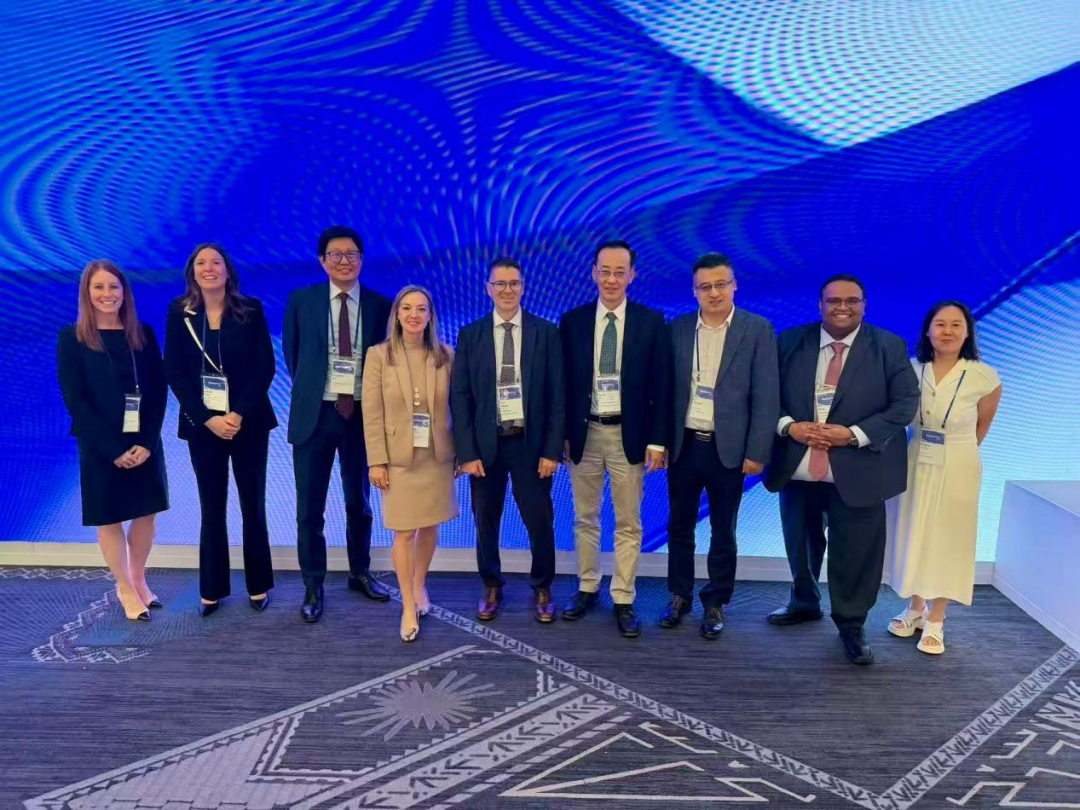
和祐高层代表与 Mayo Clinic International 高层人员合影
Senior representative leaders of Heyou Internatioal Health System with leaders from Mayo Clinic International
关注我们,后续我们将推出陆嘉德副院长专访,带您一起洞察全球医疗 AI 时代下,医院如何走向新一轮进化。
Stay tuned for our upcoming interview with Professor Jiade Lu, where he will share further insights into how hospitals can evolve in the era of global medical AI.
好文章,需要你的鼓励